
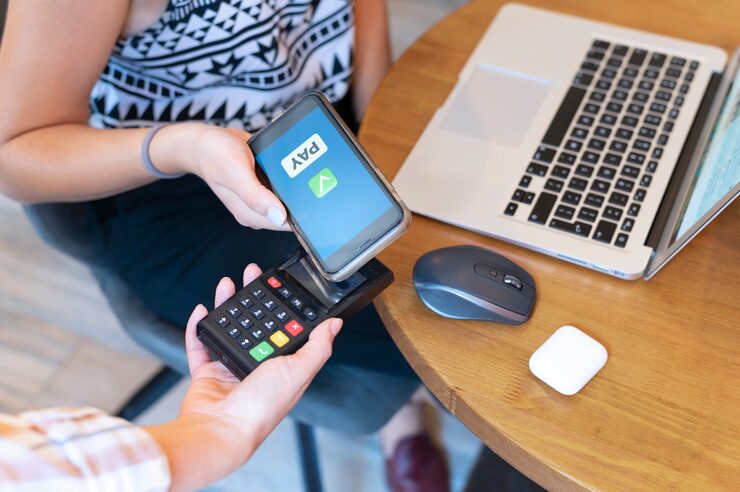
Australia is rapidly becoming one of the world’s most cashless societies. From tap-and-go cards at corner stores to buy now pay later platforms disrupting traditional credit, the way Australians pay for things has undergone a fundamental transformation over the past decade.
The Rise of Contactless Payments in Australia
Australia was among the earliest adopters of contactless card technology, and today tap-to-pay is the default expectation at virtually every point of sale. According to the Reserve Bank of Australia (RBA), contactless transactions now account for the vast majority of all in-person card payments. Most terminals accept payments up to $200 without a PIN, making small purchases faster than ever before.
Major banks including Commonwealth Bank, ANZ, NAB, and Westpac have all integrated contactless capabilities into both physical cards and digital wallet platforms. The shift accelerated significantly during the COVID-19 pandemic, when cash handling became a concern and many businesses actively encouraged card-only transactions.
Digital Wallets: Apple Pay, Google Pay, and Beyond
Digital wallets have become a preferred payment method for millions of Australians, particularly younger demographics. Apple Pay and Google Pay allow users to store card details on their smartphones and wearables, enabling payments with a tap of the phone or watch. Samsung Pay also holds a notable share of the market.
Australia’s four major banks were initially resistant to opening their NFC infrastructure to Apple Pay, which led to a regulatory dispute that dragged on for years before being resolved. Today, all major financial institutions support third-party wallet integration, giving consumers far greater choice and flexibility in how they pay.
Buy Now, Pay Later (BNPL) Platforms
Australia gave birth to some of the world’s most prominent Buy Now Pay Later services. Afterpay, which was acquired by Block (formerly Square) for billions of dollars, originated in Sydney and became a household name long before the BNPL model gained traction globally. Zip Co is another major Australian player offering flexible instalment options across both retail and online purchases.
BNPL services split purchases into interest-free instalments, appealing to consumers who want flexibility without the traditional credit card model. However, regulators have raised concerns about consumer debt accumulation, prompting ongoing discussions about tighter oversight and responsible lending obligations for BNPL providers.
Open Banking and the Consumer Data Right
Australia’s Consumer Data Right (CDR), introduced progressively from 2020, is reshaping the financial sector by giving consumers control over their own banking data. Under this framework, banks must share a customer’s financial data with accredited third-party providers upon request. This enables smarter budgeting apps, more competitive loan comparisons, and personalised financial products.
Open banking has significant implications for competition and innovation. Smaller fintech companies can now access the same customer data as large institutions, levelling the playing field and encouraging the development of new services that better serve diverse consumer needs.
The Future of Cash in Australia
While cash is declining, it has not disappeared. The RBA has explicitly stated its commitment to ensuring cash remains available as a means of payment, particularly for vulnerable populations such as the elderly and those in regional or remote areas with limited digital access.
Interestingly, Australia is also investing in central bank digital currency (CBDC) research. The RBA conducted a pilot program exploring a digital Australian dollar, examining how a CBDC could complement existing payment infrastructure rather than replace it entirely.