
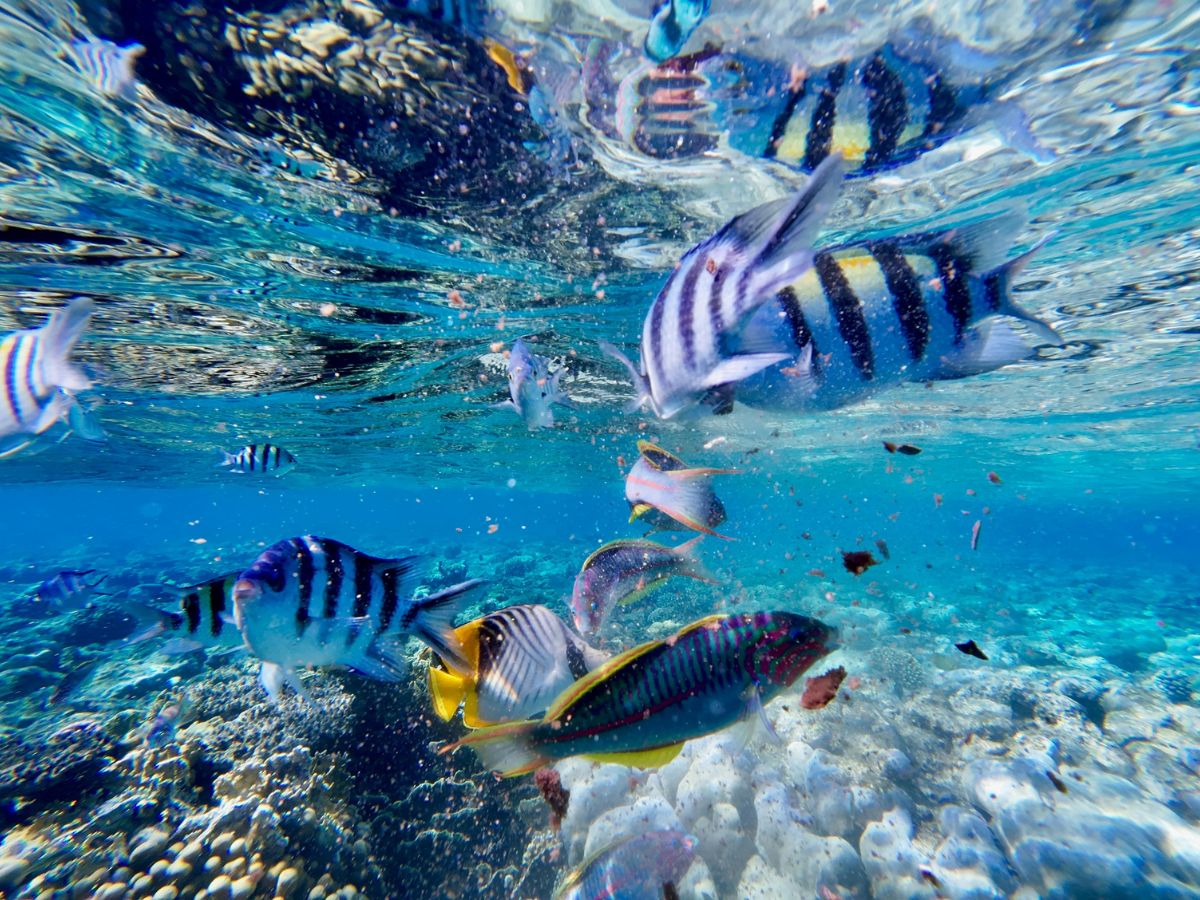
Australia is blessed with one of the most spectacular coastlines on Earth. Beyond its famous beaches lie thousands of islands, sprawling coral reefs, and hidden ocean destinations that rival any tropical paradise. For travelers seeking turquoise waters, white silica sands, and vibrant marine life, this guide highlights the most beautiful islands in Australia and the surrounding reef systems that make this continent a true aquatic wonderland.
The Great Barrier Reef – A Living Masterpiece
No discussion of Australia’s ocean destinations begins anywhere other than the Great Barrier Reef. Stretching over 2,300 kilometers along the Queensland coast, this UNESCO World Heritage site is the largest coral reef system on the planet. It is home to over 1,500 species of fish, 400 types of coral, and countless marine creatures including sea turtles, dolphins, and dugongs. Visitors can explore the reef through snorkeling, scuba diving, or semi-submersible tours. Popular access points include Cairns, Port Douglas, and the Whitsunday Islands. For a truly unforgettable experience, book a liveaboard dive trip to reach outer reef sites like the Ribbon Reefs or Osprey Reef, where visibility often exceeds 30 meters.
The Whitsunday Islands – Silica Sands and Sailing
Among the most photographedbeautiful islands in Australia, the Whitsundays consist of 74 continental islands nestled in the heart of the Great Barrier Reef. Whitehaven Beach on Whitsunday Island is the crown jewel. Its 7-kilometer stretch of 98% pure silica sand feels cool underfoot even on the hottest days and contrasts stunningly with the swirling blue and green hues of Hill Inlet. The Whitsundays are best explored by sailing charter, whether you choose a budget-friendly overnight tour or a luxury catamaran. Highlights include snorkeling around fringing reefs, hiking to lookout points, and spotting humpback whales during migration season from June to September.
Lord Howe Island – A UNESCO Gem
Located 600 kilometers east of the Australian mainland, Lord Howe Island is often described as the last piece of paradise. Only 400 visitors are permitted at any one time, preserving its pristine environment. This crescent-shaped island boasts the world’s southernmost coral reef, crystal-clear lagoons, and dramatic volcanic peaks like Mount Gower. Walking trails, kayaking, and birdwatching are top activities. The island is also home to over 500 species of fish found nowhere else. For those who prefer tranquil beauty without crowds, Lord Howe Island remains one of the most exclusive beautiful islands in Australia to visit.
Kangaroo Island – Wildlife and Wild Coastlines
South Australia’s Kangaroo Island offers a different kind of ocean destination. While not tropical, its rugged cliffs, hidden coves, and abundant wildlife make it unforgettable. Seal Bay Conservation Park allows visitors to walk among hundreds of Australian sea lions on a sandy beach. Admiral’s Arch provides a dramatic natural rock formation framed by roaring waves and nesting fur seals. For snorkelers, Kangaroo Island’s calm bays like Emu Bay and Stokes Bay offer safe swimming and occasional encounters with dolphins. The island’s food scene, featuring local honey, oysters, and sheep cheese, adds another layer of appeal.
Fraser Island (K’gari) – Sand Island Wonder
The world’s largest sand island, now officially renamed K’gari, sits off Queensland’s Fraser Coast. Its most famous feature is Lake McKenzie, a perched lake with pure silica sand and strikingly clear blue water. But K’gari also offers Champagne Pools – natural rock pools where bubbling seawater meets volcanic formations – and the Maheno Shipwreck, a rusting relic on a endless sandy beach. Four-wheel-driving is the primary way to explore, as the island has no sealed roads. Swimming in the inland lakes is safe, but ocean swimming is discouraged due to strong currents and sharks.
Ningaloo Reef – Coral Reef Without Crowds
Western Australia’s Ningaloo Reef is the only large reef system located so close to a continental landmass. Unlike the Great Barrier Reef, Ningaloo fringes the shore, allowing visitors to walk directly from the beach into a vibrant underwater world. The reef is world-famous for whale shark encounters between March and August. Snorkelers can also swim with manta rays, humpback whales, and massive schools of tropical fish. Exmouth and Coral Bay serve as gateways, offering glass-bottom boat tours, kayaking, and camping right on the beach.
The Tiwi Islands – Art and Culture
For a culturally rich ocean destination, the Tiwi Islands north of Darwin offer a unique experience. Bathurst and Melville Islands are home to the Tiwi people, known for their distinctive art, textiles, and wood carvings. Visitors must join a guided tour to explore the islands, which feature rainforests, sandy beaches, and excellent fishing. The Tiwi Islands Football Grand Final is a famous annual event combining sport with traditional dance and ceremony.
Rottnest Island – Quokkas and Bays
Just a 25-minute ferry ride from Perth, Rottnest Island is famous for its quokkas – small, friendly marsupials that have become social media stars. But the island also offers 63 pristine bays and 20 beaches, many accessible only by bicycle (cars are banned). The water around Rottnest is remarkably clear, making it a favorite for snorkeling, diving, and surfing. Wadjemup Lighthouse provides panoramic views of the surrounding Indian Ocean.
Practical Tips for Visiting
When planning your trip to thesebeautiful islands in Australia, consider seasonal weather. The tropical north (Great Barrier Reef, Tiwi Islands) is best visited from June to October during the dry season. Southern destinations like Kangaroo Island and Rottnest Island are pleasant from November to March. Always book accommodations and tours well in advance for Lord Howe Island and the Whitsundays, as availability is limited. Protect the environment by using reef-safe sunscreen, avoiding touching coral, and following local wildlife guidelines.
Australia’s islands, reefs, and ocean destinations offer some of the most breathtaking natural scenery on Earth. Whether you seek adventure, relaxation, or wildlife encounters, these marine treasures promise memories that last a lifetime.