
Australia is renowned for its unique wildlife, from cuddly kangaroos to deadly predators. While most animals pose no threat to humans, some of Australia’s creatures are among the most dangerous in the world. From venomous spiders to aggressive marine predators, these animals have the potential to cause serious injury or death if proper precautions aren’t taken. Knowing which animals are risky and how to stay safe is essential for anyone traveling or living in Australia.
1. Box Jellyfish
The box jellyfish is one of the most venomous creatures in the world. Found primarily in northern Australia, its nearly transparent body makes it hard to detect in the water. Its long tentacles contain potent venom capable of causing heart failure, paralysis, and even death in a matter of minutes. The box jellyfish is most active during the warmer months, from October to May.
Safety Tips: Always swim in areas protected by stinger nets, wear a stinger suit, and heed local warnings during jellyfish season. Avoid touching jellyfish, even if they appear dead on the shore, as they can still sting.
2. Eastern Brown Snake
The eastern brown snake is responsible for the majority of snake-related deaths in Australia. Highly venomous and sometimes aggressive, these snakes can be found across eastern and central Australia, often near populated areas. They are fast movers and can strike repeatedly if threatened, making them particularly dangerous for hikers and gardeners.
Safety Tips: Wear boots when walking in bushland, avoid tall grass or piles of leaves, and never attempt to handle a snake. If bitten, seek medical attention immediately.
3. Saltwater Crocodile
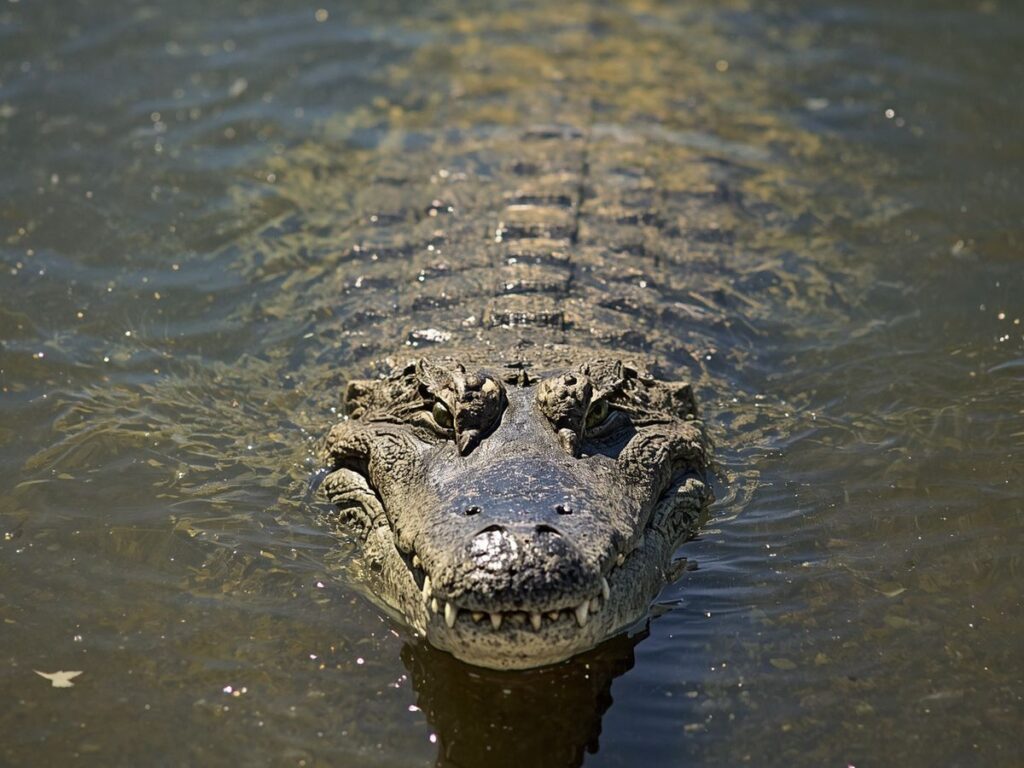
Saltwater crocodiles are the largest reptiles in the world and are extremely dangerous to humans. Found in northern rivers, estuaries, and coastal areas, these crocodiles are powerful predators capable of ambushing prey with astonishing speed. Fatal attacks on humans, though rare, do occur each year, primarily due to careless swimming or boating in crocodile habitats.
Safety Tips: Never swim in rivers, billabongs, or estuaries known to have crocodiles. Always follow local signs and guidelines, and maintain a safe distance from the water’s edge. Never attempt to feed or provoke a crocodile.
4. Sydney Funnel-Web Spider
The Sydney funnel-web spider is one of the most venomous spiders on the planet. It has a reputation for aggression when disturbed, and its venom can cause serious illness or death in humans if untreated. These spiders are primarily found in Sydney and surrounding areas, often hiding in moist, dark places like gardens or woodpiles.
Safety Tips: Wear gloves when gardening or handling outdoor debris, check shoes and bedding, and seek medical attention immediately if bitten. Antivenom is available and highly effective.
5. Blue-Ringed Octopus
Although small in size, the blue-ringed octopus carries enough venom to paralyze or kill a human. Its bright blue rings appear when the octopus feels threatened, serving as a warning. They are found in tidal pools and shallow waters along the northern and southern coasts of Australia.
Safety Tips: Never touch or handle any octopus in the wild. If bitten, call emergency services immediately. Wearing protective footwear while exploring tidal areas can also reduce risk.
6. Stonefish
Stonefish are masters of camouflage, blending perfectly with the seabed. Their venomous spines can deliver excruciating pain and, in severe cases, fatal reactions. They are most commonly found in shallow waters and tidal zones along Australia’s northern and eastern coasts.
Safety Tips: Always wear protective shoes when wading through shallow water or walking on rocky beaches. Step carefully and avoid touching any marine creature you cannot identify. Seek medical help immediately if stung.
7. Cone Snail
The cone snail may appear harmless, but its venom is potent enough to paralyze humans. These snails are found along Australia’s coral reefs and shallow waters. Their stings can be deadly, making them one of the lesser-known but highly dangerous marine animals in the country.
Safety Tips: Never handle cone snails. Observe marine life from a safe distance and avoid picking up shells in areas where these snails are common. Immediate medical treatment is crucial if stung.
8. Cassowary
Cassowaries are large, flightless birds found in the rainforests of northern Queensland. Known for their powerful legs and sharp claws, they are capable of inflicting serious injuries. Cassowaries are territorial and can become aggressive if they feel threatened or cornered.
Safety Tips: Never feed or approach cassowaries in the wild. Maintain a safe distance while hiking and avoid sudden movements that could be interpreted as a threat.
9. Bull Shark
Bull sharks are aggressive predators found in both freshwater and saltwater environments, including rivers, estuaries, and coastal areas. They are considered one of the most dangerous shark species due to their tendency to swim close to shorelines and their aggressive behavior.
Safety Tips: Avoid swimming in murky waters, especially at dawn or dusk. Swim in patrolled areas and heed local warnings regarding shark activity. Swimming with others is also safer than swimming alone.
10. Redback Spider
Redback spiders are common throughout Australia, particularly in urban and suburban areas. While bites are rarely fatal, they can cause severe pain, sweating, nausea, and general illness. Their distinctive red stripe on the abdomen is a warning sign to stay away.
Safety Tips: Wear gloves when handling outdoor items like woodpiles or sheds, check dark corners before reaching into them, and seek medical help if bitten. Antivenom is available and effective.
General Safety Tips for Australian Wildlife
Most dangerous animal encounters can be avoided with awareness and caution. Stay alert when exploring beaches, forests, rivers, or urban areas. Wear protective gear such as boots and gloves, heed warning signs, avoid feeding wild animals, and always respect their habitats. Learning basic first aid for bites and stings can also save lives.
Conclusion
Australia’s wildlife is fascinating, but it also comes with risks. By understanding the top 10 most dangerous animals in Australia and following safety precautions, you can safely enjoy the country’s incredible natural beauty. Most attacks occur only when animals feel threatened, so awareness, preparation, and caution are key to staying safe while exploring Australia.