
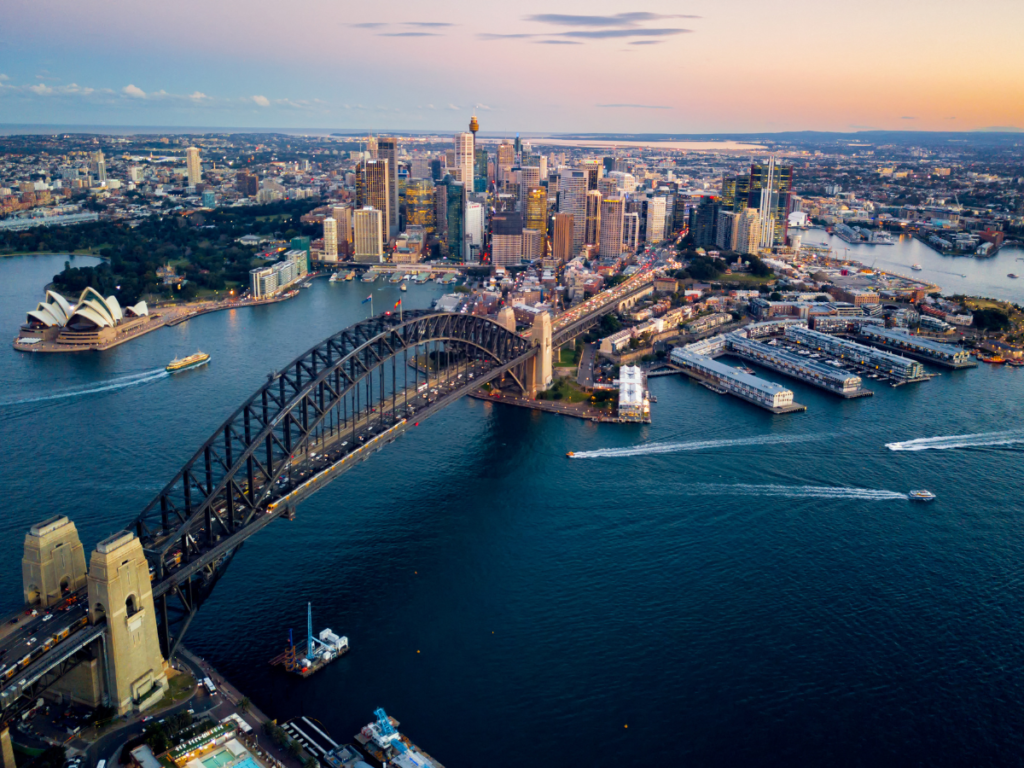
Sydney is one of the most iconic cities in the world, known for its stunning harbor, beautiful beaches, and architectural marvels. However, beneath its modern appeal lies a layered and complex past. The real history behind Sydney’s most famous landmarks reveals stories of Indigenous heritage, colonial ambition, struggle, and transformation. Understanding these stories provides a deeper appreciation of the city and its cultural identity.
Sydney Opera House: A Vision Marked by Conflict
The Sydney Opera House is globally recognized as a symbol of Australia. Designed by Danish architect Jørn Utzon, its construction began in 1959 and quickly became one of the most controversial building projects in history.
Originally expected to be completed in four years with a modest budget, the project faced major engineering challenges, political disagreements, and escalating costs. By the time it was completed in 1973, the budget had increased more than tenfold. Utzon resigned before its completion due to disputes with the government, and he never returned to see the finished structure during that time. Today, it stands as a masterpiece of modern architecture, but its history reflects tension, innovation, and perseverance.
Sydney Harbour Bridge: Built in Hard Times
The Sydney Harbour Bridge, affectionately known as “The Coathanger,” was completed in 1932 during the Great Depression. Its construction provided employment to over a thousand workers at a time when jobs were scarce.
The project was not without danger- 16 workers lost their lives during construction. Despite these challenges, the bridge became a symbol of hope and progress for the nation. It connected the northern and southern parts of the city, transforming Sydney’s development and mobility. Today, it remains one of the largest steel arch bridges in the world and a testament to human determination.
The Rocks: Birthplace of Modern Sydney
The Rocks is the oldest part of Sydney and the site of the first European settlement in Australia. Established shortly after the First Fleet arrival, this area was originally home to convicts, soldiers, and sailors.
Life in The Rocks during the early years was harsh and often dangerous. Overcrowding, poor sanitation, and crime were common. Despite this, the area played a crucial role in the development of the colony. Today, its preserved buildings and narrow laneways offer a glimpse into Sydney’s early colonial life, blending history with modern tourism.
Royal Botanic Garden: From Indigenous Land to Colonial Experiment
The Royal Botanic Garden Sydney is a tranquil green space today, but its history is deeply significant. Before European settlement, this land was used by the Gadigal people of the Eora Nation.
In 1788, the area became the site of Australia’s first attempt at farming by British settlers. The soil proved challenging, and early agricultural efforts struggled. Over time, the land was transformed into a botanical garden showcasing plants from around the world. While it is now a place of relaxation and beauty, it also represents the impact of colonization on Indigenous land.
Darling Harbour: Industrial Roots Beneath Modern Glamour
Darling Harbour is now a vibrant waterfront filled with attractions, restaurants, and entertainment venues. However, its past tells a very different story.
During the 19th and early 20th centuries, Darling Harbour was a busy industrial port. It was filled with shipping docks, warehouses, and rail yards that supported Sydney’s growing economy. Over time, as industrial activities declined, the area underwent major redevelopment. By the late 20th century, it had transformed into the lively destination seen today, while still retaining elements of its industrial heritage.
Bondi Beach: Cultural and Historical Significance
Bondi Beach is one of the most famous beaches in the world, attracting millions of visitors each year. While it is often associated with surfing and leisure, its history runs much deeper.
The name “Bondi” is derived from an Aboriginal word meaning “water breaking over rocks.” Long before it became a tourist hotspot, the area was used by Indigenous communities for gatherings and cultural practices. In the early 20th century, Bondi Beach became a symbol of Australian beach culture, reflecting the country’s evolving identity and diversity.
Hyde Park: A Space of Change and Reflection
Hyde Park is Australia’s oldest public park, established in 1810 by Governor Lachlan Macquarie. Over the years, it has served many purposes, including a racecourse, military training ground, and public gathering space.
Today, Hyde Park is a peaceful retreat in the heart of the city. However, its history reflects Sydney’s growth and transformation, as well as the changing needs of its people.
Why Understanding This History Matters
Sydney’s landmarks are more than just tourist attractions – they are symbols of the city’s journey through time. From Indigenous heritage to colonial expansion and modern development, each site holds stories that shape Australia’s identity.
Recognizing these histories allows for a more balanced and respectful understanding of the past. It also highlights the importance of preserving both cultural and historical heritage for future generations.
Final Thoughts
The real history behind Sydney’s most famous landmarks reveals a city shaped by ambition, resilience, and cultural depth. These sites are not just visually impressive – they are deeply meaningful, representing layers of history that continue to influence modern Sydney.
By looking beyond the surface, visitors and locals alike can gain a richer appreciation of the city. Sydney is not just a place to see – it is a place to understand, where every landmark tells a story waiting to be discovered.