
Introduction
Australia is one of the best destinations in the world for wildlife lovers. With its unique ecosystems and diverse animal species, the country offers unforgettable opportunities to experience nature up close. From spotting kangaroos in open grasslands to observing koalas resting in eucalyptus trees, the Australia wildlife experience is both exciting and educational.
Unlike many other countries, Australia allows visitors to see native animals in their natural habitats as well as in protected reserves. This balance between conservation and tourism makes it a leading destination for wildlife tourism Australia.
Iconic Wildlife Encounters in Australia
One of the biggest attractions for visitors is the chance to see kangaroos and koalas Australia in real life. Kangaroos can often be found in rural areas, national parks, and even near suburban regions. Early mornings and late afternoons are the best times to spot them.
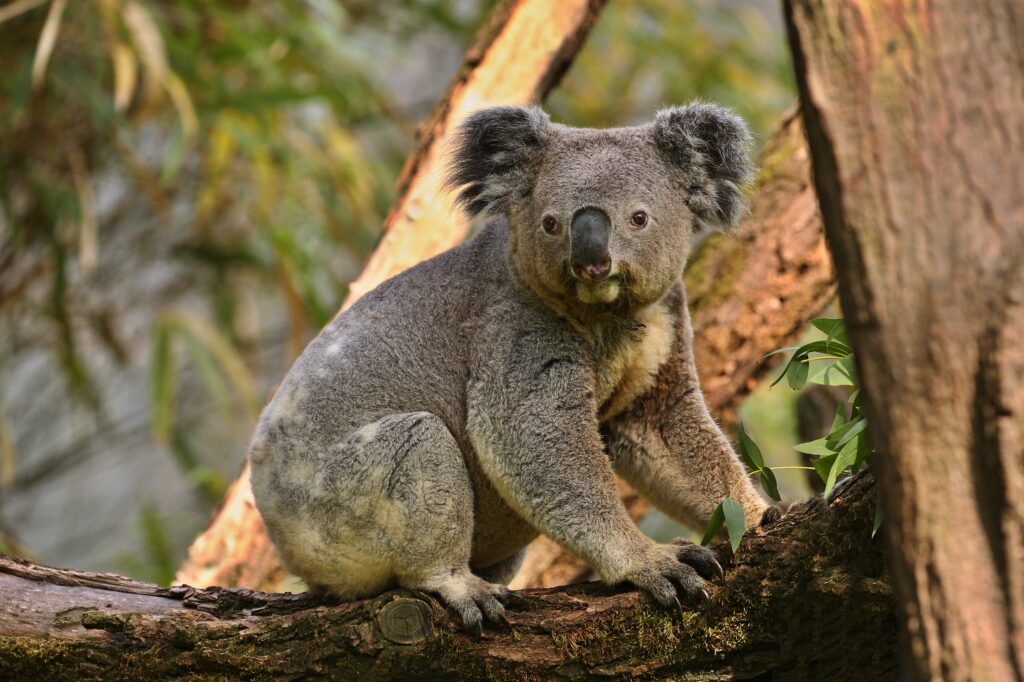
Koalas, on the other hand, are usually found in eucalyptus forests along the eastern coast. Wildlife sanctuaries and conservation parks provide safe environments where visitors can observe them closely without disturbing their natural behavior.
In addition to these iconic animals, Australia is home to wombats, wallabies, echidnas, and platypuses. Marine wildlife such as dolphins, whales, and sea turtles can also be seen along the coastline.
Best Places to See Wildlife in Australia
There are several top locations where visitors can enjoy the best Australia wildlife experience. National parks and reserves are among the most popular options.
Kangaroo Island in South Australia is known for its abundant wildlife, including sea lions, koalas, and kangaroos. Daintree Rainforest in Queensland offers a chance to explore one of the oldest rainforests in the world, home to rare bird species and reptiles.
The Great Barrier Reef provides an incredible opportunity to experience marine biodiversity. Snorkeling and diving allow visitors to see colorful coral reefs and a wide variety of fish species.
Tasmania is another excellent destination, particularly for spotting unique animals such as the Tasmanian devil.
Wildlife Tours and Guided Experiences
For those who want a more structured experience, Australia wildlife tours offer guided trips led by experts. These tours provide valuable insights into animal behavior, habitats, and conservation efforts.
Guided tours often include visits to national parks, wildlife sanctuaries, and remote areas that may be difficult to access independently. They also ensure that visitors follow safety guidelines and respect the environment.
Eco-tourism is a growing trend, focusing on sustainable travel practices that minimize environmental impact while supporting local communities.
Responsible Wildlife Tourism
While experiencing wildlife is exciting, it is important to do so responsibly. Respecting animals and their habitats is essential for long-term conservation.
Visitors should avoid feeding wild animals, as it can disrupt their natural diet and behavior. Maintaining a safe distance is also important, especially when encountering larger or potentially dangerous animals.
Following local guidelines and regulations helps protect both wildlife and visitors. Responsible tourism ensures that future generations can continue to enjoy Australia wildlife.
Safety Tips for Wildlife Encounters
Although most wildlife encounters are safe, it is important to take precautions. Some animals in Australia can be dangerous if approached incorrectly.
Visitors should stay on marked trails, avoid touching animals, and be aware of their surroundings. When exploring coastal areas, it is important to follow safety advice regarding marine life.
Basic awareness and preparation can make a significant difference in ensuring a safe and enjoyable experience.
Role of Conservation in Wildlife Tourism
Conservation plays a key role in supporting wildlife tourism Australia. Many parks and reserves reinvest tourism revenue into conservation programs.
Wildlife sanctuaries often participate in breeding and rehabilitation programs for endangered species. By visiting these locations, tourists indirectly contribute to conservation efforts.
Government policies and environmental organizations also work together to protect habitats and maintain biodiversity.
Why Australia Wildlife Experience Is Unique
What sets Australia apart is its combination of unique species, diverse ecosystems, and accessibility. Few places in the world offer such a wide range of wildlife experiences within a single country.
Whether exploring rainforests, deserts, or coastal regions, visitors can encounter animals that are not found anywhere else. This makes Australia a top destination for nature enthusiasts and photographers.
Conclusion
Experiencing Australia wildlife up close is a truly unforgettable journey. From kangaroos and koalas to marine life and rare species, the country offers endless opportunities for exploration.
By choosing responsible tourism practices and supporting conservation efforts, visitors can enjoy these experiences while helping protect the environment. Australia wildlife tourism not only provides adventure but also plays a vital role in preserving the country’s natural heritage.