
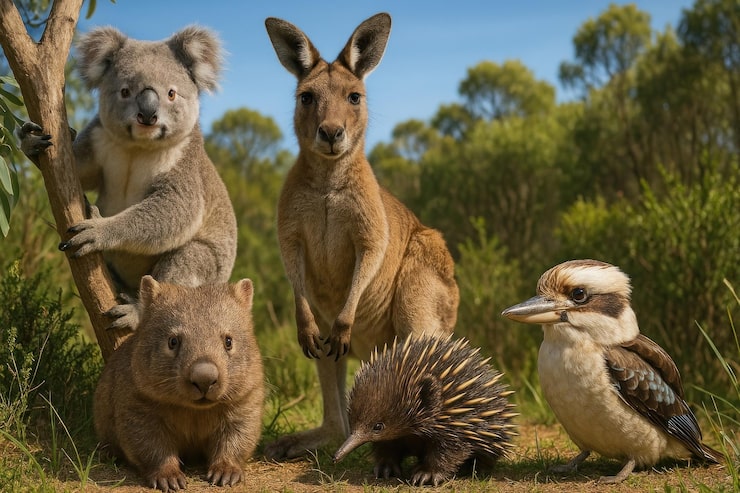
Australia is globally recognized for its unique and diverse wildlife. From iconic kangaroos and koalas to some of the world’s most unusual marine species, the country offers an unmatched natural environment. However, Australia wildlife is not only fascinating but also complex, shaped by millions of years of isolation and environmental change. Today, it faces growing challenges, making conservation and responsible interaction more important than ever.
Unique Animals and Biodiversity in Australia
One of the key reasons Australia wildlife stands out is its high level of biodiversity. The country is home to animals that cannot be found anywhere else in the world. Species such as kangaroos, wombats, platypuses, and echidnas have evolved unique characteristics to survive in diverse environments.
Australia biodiversity is supported by a wide range of ecosystems, including tropical rainforests, arid deserts, coastal regions, and coral reefs. The Great Barrier Reef alone hosts thousands of marine species, making it one of the most important ecosystems globally.
This biodiversity is not just important for environmental balance but also plays a significant role in scientific research, tourism, and the economy.
Wildlife Conservation Efforts in Australia
Due to increasing environmental threats, wildlife conservation Australia has become a national priority. Habitat destruction caused by urban development, agriculture, and infrastructure projects has reduced the natural living spaces of many species.
To address these challenges, the government and environmental organizations have introduced various conservation programs. These include habitat restoration, wildlife rescue and rehabilitation, and breeding programs for endangered species.
Efforts to control invasive species such as foxes and feral cats are also crucial. These animals pose a major threat to native wildlife by disrupting natural ecosystems and preying on vulnerable species.
Public awareness campaigns and community participation are also helping strengthen wildlife conservation Australia efforts across the country.
Wildlife Protection Laws and Policies
Australia has implemented strong legal frameworks to protect its natural heritage. The Environment Protection and Biodiversity Conservation (EPBC) Act is the primary legislation governing environmental protection at the national level.
This law identifies endangered species and regulates activities that may harm ecosystems. In addition, state governments enforce their own regulations to protect wildlife and manage natural resources.
Australia wildlife laws have been effective in preserving many species and habitats, but challenges remain. Enforcement limitations, funding constraints, and climate-related disasters continue to impact conservation outcomes.
Strengthening these laws and improving their implementation is essential for long-term success.
Experiencing Wildlife in Australia
Australia is one of the best destinations for wildlife tourism. Visitors from around the world travel to experience animals in their natural habitats. Popular destinations include national parks, wildlife reserves, and coastal regions.
Wildlife tourism Australia offers opportunities to see kangaroos in open landscapes, koalas in eucalyptus trees, and marine life along the coast. These experiences provide a deeper connection with nature and promote environmental awareness.
However, responsible tourism is essential. Visitors are encouraged to follow guidelines such as maintaining a safe distance from animals, avoiding feeding wildlife, and respecting natural habitats.
Sustainable tourism practices not only protect wildlife but also support local communities and conservation efforts.
Dangerous Animals: Facts and Safety Awareness
Australia is often associated with dangerous animals, but this perception is often exaggerated. While the country is home to some venomous species, the risk to humans is relatively low.
Dangerous animals Australia include snakes, spiders, jellyfish, and crocodiles. However, most of these animals avoid human contact and only become aggressive when threatened.
Understanding animal behavior and following safety guidelines can significantly reduce risks. Simple precautions such as staying on marked paths, wearing appropriate clothing, and avoiding unfamiliar animals are usually sufficient.
Education and awareness play a key role in promoting safe interactions with wildlife.
Challenges Facing Australia’s Wildlife
Despite strong conservation efforts, several challenges continue to threaten Australia wildlife. Climate change is one of the most significant issues, leading to extreme weather events such as bushfires, floods, and droughts.
Habitat loss due to urban expansion and agricultural activities further reduces the availability of natural environments for wildlife. Invasive species and pollution also contribute to declining populations.
Addressing these challenges requires a coordinated approach involving government policies, scientific research, and community participation.
Future of Wildlife in Australia
The future of Australia wildlife depends on continued efforts in conservation, policy development, and public awareness. Advances in technology, such as wildlife tracking and environmental monitoring, are improving conservation strategies.
Increased funding and stronger regulations can help protect endangered species and restore ecosystems. Community involvement and education will also play a crucial role in shaping sustainable practices.
By combining conservation efforts, responsible tourism, and effective laws, Australia can continue to protect its unique wildlife for future generations.
Conclusion
Australia’s wildlife is one of its greatest natural assets, offering ecological, cultural, and economic value. From unique animals and diverse ecosystems to conservation programs and tourism opportunities, the country provides a comprehensive example of how humans can interact with nature.
However, protecting this biodiversity requires ongoing commitment. Through stronger policies, community involvement, and sustainable practices, Australia can ensure that its wildlife continues to thrive in the years to come.