
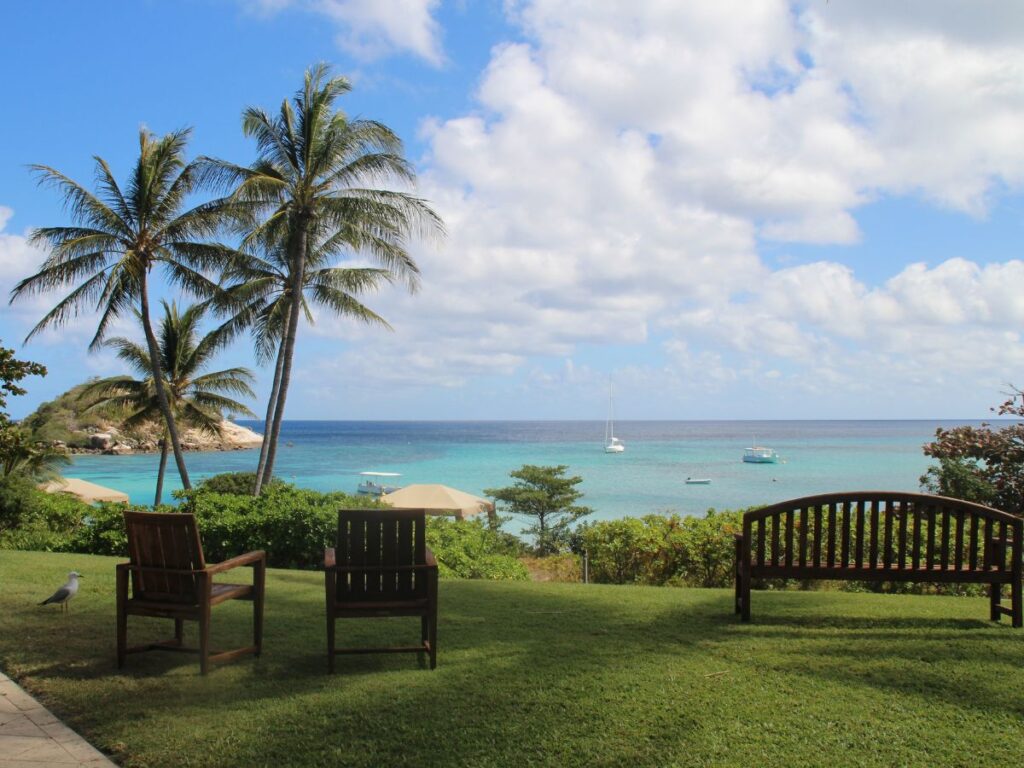
Australia is famous for its sun, sand, and surf. With over 10,000 beaches stretching along 60,000 kilometres of coastline, the beach is more than a destination – it is a way of life. Yet the same waves that bring joy also bring danger. Rip currents, sudden drop-offs, marine stingers, and intense UV radiation make Australian beaches some of the most hazardous in the world. Despite this, Australia has developed one of the most effective beach safety cultures on the planet. How did this happen? The answer lies in a unique blend of history, volunteerism, education, and national identity.
A history born from tragedy
Modern Australian beach safety began with a crisis. In the early colonial period, daylight sea bathing was illegal in many parts of Australia due to strict morality laws. When those bans were lifted, thousands flocked to the surf for the first time – without any knowledge of rips, sandbanks, or surf conditions. Drowning rates soared. In Sydney alone, dozens died each summer.
The public outcry led to a radical solution: ordinary people would take responsibility. The world’s first formal surf lifesaving club was formed at Bondi Beach. Volunteers trained in rescue techniques, resuscitation, and beach patrols. Within a decade, similar clubs spread across the country. That volunteer ethos remains the bedrock of Australian beach safety today. Surf Life Saving Australia (SLSA) now has tens of thousands of active volunteers who patrol hundreds of beaches, performing thousands of rescues every year – all without pay.
The red and yellow flags: a simple, powerful symbol
If you ask an Australian how to stay safe at the beach, the first answer is almost always: “Swim between the flags.” The iconic red and yellow flags mark patrolled areas where lifesavers are watching. This system was introduced in the early twentieth century and has been refined ever since. The flags are not arbitrary; they are placed where conditions are safest, away from rips and other hazards.
The message is drilled into children from preschool. Public awareness campaigns like “Between the Flags” and the more recent “Give an F About the Flags” use humour and repetition to make the rule unforgettable. As a result, flag compliance is exceptionally high. Studies show that the vast majority of beachgoers understand that swimming outside the flags dramatically increases drowning risk. The flags have become a national shorthand for shared responsibility: the beach is fun, but nature demands respect.
Nippers: building safety from childhood
Perhaps the most distinctive element of Australian beach safety is the “Nippers” program. Every summer weekend, tens of thousands of children aged five to 14 put on a rash vest and learn surf awareness, beach sprinting, board paddling, and – most importantly – rip current identification and survival techniques. Nippers is both educational and social. It builds confidence, fitness, and a deep-seated respect for the ocean. Many Nippers go on to become volunteer lifesavers as teenagers, creating a self-replenishing cycle of safety knowledge.
The program is so effective that it has been exported to other countries, but nowhere is it as universal as in Australia. In coastal towns, Nippers is a weekend ritual. Even children from inland areas are exposed to beach safety through school programs like “Beach to Bush,” where trained lifesavers visit remote and regional schools to teach essential skills.
Rip currents: the invisible threat
Rip currents are the number one hazard on Australian beaches, responsible for the majority of rescues and drownings. Unlike waves or tides, rips are hard to see. They are narrow, fast-moving channels of water flowing seaward, often appearing as darker, calmer gaps between breaking waves. Australia has invested heavily in public education around rip currents.
The “Think Line” campaign and “How to Spot a Rip” videos have reached millions. More recently, the “Float to Survive” message has saved countless lives. If caught in a rip, Australians are taught not to panic or fight the current. Instead, float, conserve energy, raise an arm for help, and swim parallel to the shore until free. This simple, counterintuitive advice is now common knowledge – a direct result of decades of consistent messaging.
Volunteer culture as national identity
Unlike many countries where lifeguards are municipal employees, Australia’s beach safety backbone is volunteer. This is remarkable. These volunteers work full-time jobs during the week, then spend weekends in the sun, ready to risk their own safety for strangers. The volunteer model fosters a powerful sense of community ownership. Beaches are not just public spaces; they are shared territory that everyone helps protect.
This culture extends beyond rescues. Volunteers also educate the public, maintain equipment, raise funds, and advocate for water safety. The iconic red-and-yellow uniform commands immediate respect. When a lifesaver whistles or gives an instruction, beachgoers listen – not out of fear, but out of mutual understanding that safety is everyone’s job.
Sun safety is part of beach safety
Australia has the highest rate of skin cancer in the world. Consequently, beach safety also means sun protection. The legendary “Slip, Slop, Slap!” campaign – slip on a shirt, slop on sunscreen, slap on a hat – has been updated to “Slip, Slop, Slap, Seek, Slide” (seek shade, slide on sunglasses). At any Australian beach, you will see families applying sunscreen, wearing UV-protective swimwear, and using beach shelters. This integration of sun safety into beach culture is another layer of the country’s comprehensive approach.
Data, research, and continuous improvement
Australia’s beach safety is not static. SLSA and other organisations collect detailed data on every drowning, rescue, and near-miss. This information drives targeted campaigns. For example, when research showed that men in their twenties and thirties were overrepresented in drowning statistics, campaigns like “Know Your Limits” were launched. When multicultural communities showed higher drowning rates, multilingual resources were developed. This evidence-based, adaptive approach ensures that the culture remains effective even as demographics and beach usage change.
A global benchmark
Today, Australia’s beach safety model is studied and emulated around the world. International lifeguard exchanges bring trainees to Australian beaches to observe the flag system, Nipper programs, and volunteer coordination. The results speak for themselves: despite millions of beach visits each year, drowning deaths have remained relatively low and stable over time, even as coastal populations have grown.
In summary, Australians have one of the world’s strongest beach safety cultures because they have turned a necessity into a national habit. From the volunteer founders of Bondi to the five-year-old Nipper learning to float, the culture is built on shared responsibility, simple symbols, relentless education, and profound respect for the ocean. It is not just about saving lives – it is about preserving a way of life.