
Introduction
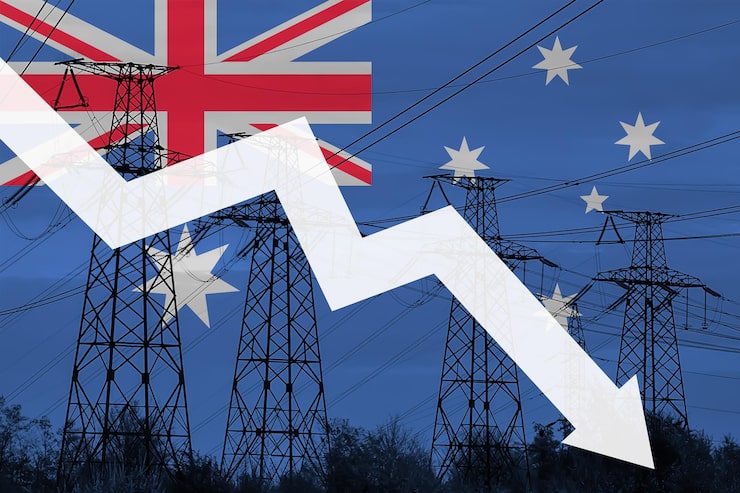
Energy crisis in Australia 2026 is becoming a major concern for homeowners as electricity prices continue to rise and supply challenges increase. Many households are already feeling the financial pressure, making it important to understand what is happening and how it directly impacts daily life.
Australia has long relied on a mix of coal, gas, and renewable energy. However, several factors have combined to create instability in the energy market. These include aging infrastructure, global fuel price fluctuations, and the transition toward renewable sources. For homeowners, this means higher bills and the need to adapt quickly.
What Is Causing the Energy Crisis
One of the main reasons behind the crisis is the gradual shutdown of coal fired power stations. While this shift supports environmental goals, it has reduced the base load power supply. Renewable energy sources like solar and wind are growing, but they are not always consistent.
Another key factor is the rising cost of natural gas. Australia exports a large portion of its gas, which drives domestic prices higher. This directly impacts electricity generation costs.
Extreme weather conditions also play a role. Heatwaves increase electricity demand due to air conditioning use, while storms can damage infrastructure and disrupt supply.
How It Affects Homeowners
The most immediate impact is the increase in electricity bills. Many households have reported significant price hikes, making energy one of the biggest monthly expenses.
Another issue is reliability. Power outages and supply shortages are becoming more common in some regions. This can disrupt daily activities and affect work from home setups.
Homeowners are also facing higher costs for heating and cooling. With energy prices rising, maintaining a comfortable indoor temperature is becoming more expensive.
Rising Cost of Living
Energy costs are closely linked to the overall cost of living. When electricity prices rise, it affects other services such as water heating, cooking, and even groceries due to increased production costs.
Families are now forced to rethink their spending habits. Many are cutting back on non essential expenses to manage higher utility bills.
Government Response and Policies
The Australian government has introduced several measures to address the crisis. These include price caps, subsidies, and investments in renewable energy projects.
There is also a strong push toward solar energy adoption. Incentives and rebates are available for homeowners who install solar panels. This helps reduce reliance on the grid and lowers long term costs.
However, these solutions take time to show results. In the short term, homeowners still need to manage rising expenses.
Practical Ways to Reduce Energy Bills
1. Use Energy Efficient Appliances
Switching to energy efficient appliances can significantly reduce electricity consumption. Look for high energy rating labels when purchasing new devices.
2. Install Solar Panels
Solar power is one of the most effective ways to cut energy costs. While the initial investment can be high, long term savings are substantial.
3. Improve Home Insulation
Proper insulation helps maintain indoor temperature, reducing the need for heating and cooling. This can lower energy usage throughout the year.
4. Monitor Energy Usage
Smart meters and energy tracking apps allow homeowners to understand their consumption patterns. This helps identify areas where energy can be saved.
5. Adjust Daily Habits
Simple changes like turning off unused appliances, using natural light, and reducing air conditioner usage can make a noticeable difference.
The Role of Renewable Energy
Renewable energy is central to solving the crisis. Solar and wind power are becoming more accessible and affordable. Many homeowners are now investing in battery storage systems to store excess energy.
Community energy projects are also emerging, allowing neighborhoods to share renewable resources. This creates a more stable and sustainable energy system.
Long Term Outlook
The energy crisis is expected to continue in the short term as Australia transitions to a cleaner energy mix. However, the long term outlook is positive.
Advancements in technology, increased renewable capacity, and improved infrastructure will eventually stabilize the market. Homeowners who adapt early will benefit the most.
Conclusion
The energy crisis in Australia 2026 is a challenging situation for homeowners, but it also presents an opportunity to adopt smarter energy practices. By understanding the causes and taking proactive steps, households can reduce costs and become more energy efficient.