
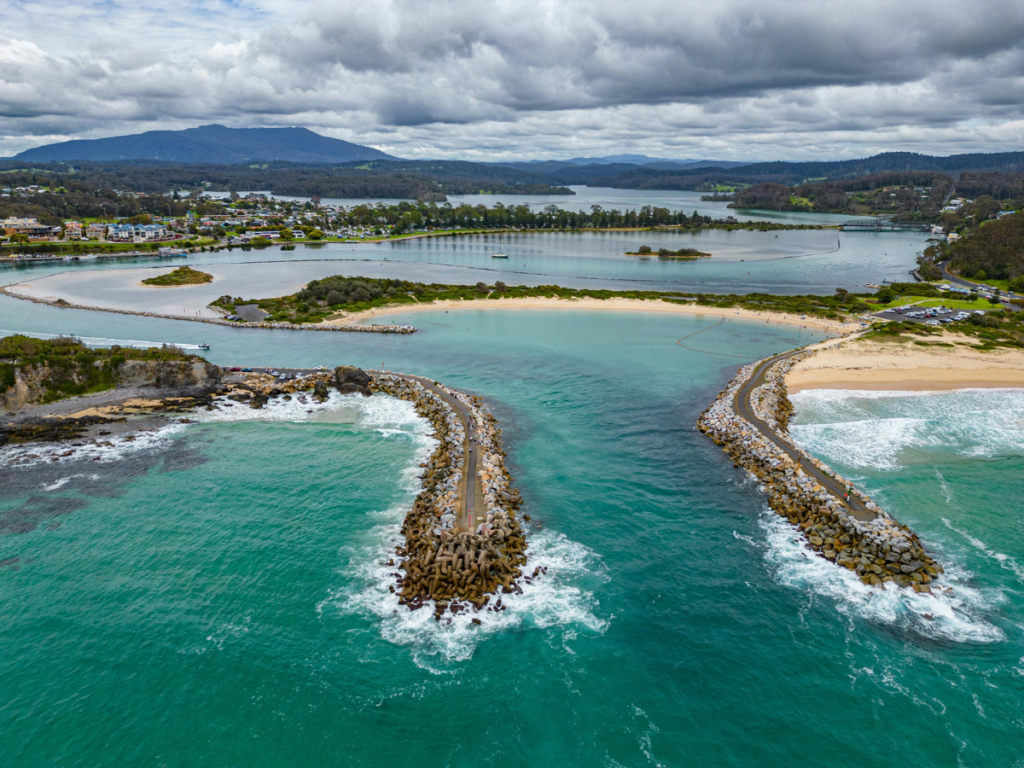
Australia is a land shaped by extremes- ancient geology, powerful oceans, and deep cultural roots that stretch back tens of thousands of years. Nowhere is this more evident than along its vast coastline, where the relentless force of the sea meets some of the oldest landforms on Earth. These coastal sites are more than scenic destinations; they are places of raw natural power, spiritual significance, and geological wonder.
From dramatic limestone cliffs to tropical rainforests that spill onto coral-fringed shores, Australia’s coastline tells a story of time, transformation, and connection. Exploring these powerful coastal sites offers a unique glimpse into both the Earth’s history and the cultural heritage of its First Nations people.
The Twelve Apostles: Sculpted by Time
Rising from the Southern Ocean along the Great Ocean Road, the Twelve Apostles are among Australia’s most iconic coastal formations. These towering limestone stacks were once part of the mainland cliffs but have been gradually separated by erosion over millions of years.
Wind, waves, and salt have carved these natural pillars into dramatic shapes, constantly reshaping the landscape. Despite their name, only a handful remain standing today, as nature continues its slow but unstoppable work. Visiting this site is a humbling experience, as it highlights the sheer force of the ocean and the passage of time.
Cape Tribulation: Where Two Worlds Collide
In far north Queensland, Cape Tribulation is a rare and extraordinary place where two UNESCO World Heritage sites meet- the Daintree Rainforest and the Great Barrier Reef. Here, dense tropical forest grows right up to the edge of the Coral Sea, creating a striking contrast between lush greenery and turquoise waters.
This region is not only ecologically unique but also culturally significant. Indigenous communities have lived here for thousands of years, maintaining a deep spiritual connection to both land and sea. Walking along its beaches, you can feel the powerful intersection of biodiversity, history, and natural beauty.
Ningaloo Coast: A Living Marine Landscape
On the western side of the continent, the Ningaloo Coast offers a completely different but equally powerful coastal experience. Unlike the Great Barrier Reef, Ningaloo’s coral reef lies close to shore, making it easily accessible.
The surrounding landscape is arid and ancient, creating a dramatic meeting point between desert and ocean. This contrast enhances the sense of isolation and natural purity. Visitors can swim alongside whale sharks, manta rays, and vibrant marine life, all within a setting that feels untouched by time.
Kangaroo Island: Raw and Untamed
The coastline of Kangaroo Island is defined by its rugged beauty and untamed wilderness. Shaped by the Southern Ocean’s waves, the island features dramatic cliffs, hidden coves, and remarkable rock formations.
Landmarks such as Admirals Arch and the sculpted granite formations of Remarkable Rocks showcase the ongoing battle between land and sea. Wildlife thrives here, from sea lions basking on beaches to native birds soaring above the cliffs. The island’s isolation adds to its sense of power and authenticity.
Bondi to Coogee: Coastal Energy in the City
Not all powerful coastal experiences are remote. In Sydney, the Bondi to Coogee Coastal Walk offers a dynamic blend of natural beauty and urban life. Stretching along sandstone cliffs and golden beaches, this coastal path captures the energy of the Pacific Ocean as it crashes against the shore.
While surrounded by a bustling city, the walk still provides moments of reflection and connection to nature. Rock pools, sea breezes, and panoramic views remind visitors that even in urban environments, the power of the ocean remains ever-present.
The Great Australian Bight: Vast and Untouched
The Great Australian Bight is one of the most expansive and remote coastal regions in the country. Its towering cliffs stretch for hundreds of kilometers, overlooking the wild Southern Ocean.
This area is known for its dramatic scenery and rich marine life, including southern right whales that migrate here to breed. The sheer scale of the landscape creates a sense of awe, emphasizing the raw power and isolation of Australia’s southern coast.
Cultural Significance of Coastal Lands
For Indigenous Australians, coastal sites are far more than physical landscapes—they are living cultural spaces filled with stories, traditions, and spiritual meaning. Many coastal features are tied to Dreamtime stories that explain the creation of the land and sea.
These connections have been maintained for tens of thousands of years, making Australia’s coastline not only geologically ancient but also culturally enduring. Respecting and understanding this heritage adds a deeper dimension to any coastal journey.
The Power of Nature and Time
What makes these coastal sites so powerful is not just their beauty, but the forces that shape them. The ocean is constantly in motion, eroding cliffs, forming new landscapes, and reshaping the boundary between land and water.
At the same time, the land itself tells a story of immense age. Australia is one of the oldest continents on Earth, and its coastal formations reflect millions – even billions- of years of geological history. This combination of ancient land and dynamic ocean creates a unique and ever-changing environment.
Final Thoughts
Where the ocean meets ancient land, Australia reveals its most profound and awe-inspiring landscapes. These coastal sites are not just destinations – they are experiences that connect visitors to the natural world in a deep and meaningful way.
Whether standing before the towering stacks of the Twelve Apostles, walking through rainforest at Cape Tribulation, or gazing out over the vast Great Australian Bight, one thing becomes clear: these places are shaped by forces far greater than ourselves.
They remind us of the power of nature, the depth of history, and the importance of preserving these extraordinary environments for generations to come.