
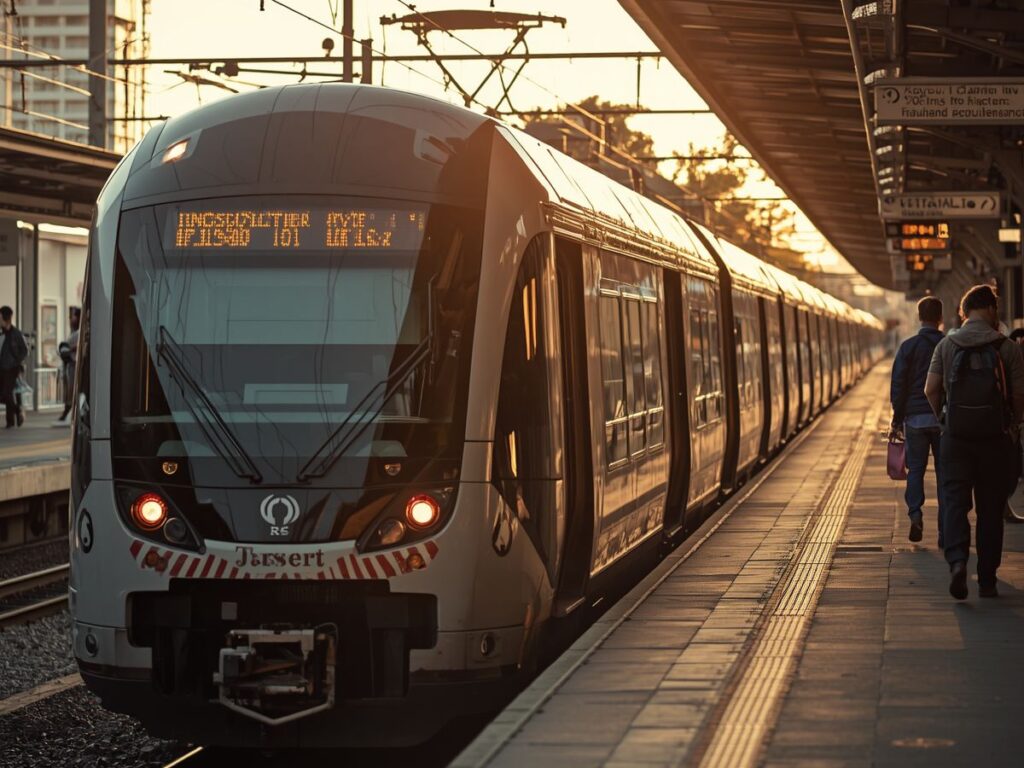
Public transport is a critical component of modern urban life, shaping how people move, work, and interact within cities. While Australia is known for its high quality of life and well – developed infrastructure, its public transport systems often fall short when compared to global leaders. Cities like Sydney, Melbourne, and Brisbane have made progress, but challenges remain that prevent them from matching the efficiency, accessibility, and integration seen in other parts of the world.
Table of Contents
ToggleUrban Sprawl and Low Population Density
One of the biggest challenges facing public transport in Australian cities is urban sprawl. Australian cities are geographically expansive, with low population density compared to cities in Europe and Asia. This makes it more difficult and costly to develop efficient and extensive public transport networks.
In cities where people are spread out over large areas, public transport routes must cover greater distances with fewer passengers per route. This reduces efficiency and often leads to less frequent services, making private car use a more attractive option for many residents.
Car-Centric Culture
Australia has long been a car-dependent society. Wide roads, ample parking, and suburban development patterns have encouraged car ownership and use. As a result, public transport has historically been underutilized and, in some cases, underprioritized.
This car-centric culture creates a cycle where limited investment in public transport leads to lower usage, which in turn reduces the incentive for further improvements. Breaking this cycle requires significant policy shifts and cultural change.
Infrastructure and Investment Gaps
While major Australian cities have invested in public transport infrastructure, these investments often lag behind global benchmarks. Cities like Tokyo, London, and Singapore have extensive, high-frequency networks that are deeply integrated into urban life.
In contrast, Australian cities often experience delays in project delivery, budget overruns, and fragmented planning. Large-scale projects such as metro lines and light rail systems take years to complete, and coverage gaps remain in many suburban areas.
Funding constraints and political changes can also impact long-term planning, leading to inconsistent development strategies.
Limited Integration and Connectivity
Another issue is the lack of seamless integration between different modes of transport. In leading global cities, buses, trains, trams, and cycling infrastructure are designed to work together efficiently.
In Australia, while progress has been made, connectivity between modes can still be inconsistent. Transfers between services may involve long wait times, separate ticketing systems, or inconvenient routes. This reduces the overall convenience of public transport and discourages its use.
Service Frequency and Reliability
Frequency and reliability are key factors in determining the effectiveness of public transport systems. In many Australian cities, services – particularly in outer suburbs – are less frequent than in global counterparts.
Commuters often face longer wait times, limited late-night services, and occasional disruptions. These issues make public transport less appealing, especially for those who require flexibility in their daily schedules.
Improving service frequency and reliability requires both increased investment and better operational planning.
Policy and Governance Challenges
Public transport systems in Australia are influenced by multiple levels of government, including federal, state, and local authorities. This can lead to fragmented decision-making and slower implementation of projects.
Policy inconsistencies and changing political priorities can also impact long-term transport strategies. In contrast, many global cities benefit from more centralized planning and consistent investment in public transport infrastructure.
Environmental and Sustainability Concerns
As cities around the world move toward sustainable transport solutions, public transport plays a crucial role in reducing carbon emissions and traffic congestion. While Australia has made commitments to sustainability, the slow development of efficient public transport systems limits progress in this area.
Encouraging greater use of public transport is essential for achieving environmental goals. This requires not only improved infrastructure but also incentives to shift behavior away from private car use.
Signs of Progress and Future Outlook
Despite these challenges, there are signs of improvement. Major projects such as new metro lines, light rail expansions, and smart ticketing systems are helping to modernize public transport in Australian cities.
There is also growing awareness of the need for sustainable urban mobility, leading to increased investment and policy focus. As population growth continues, the pressure to improve public transport systems will only intensify.
Conclusion
Public transport in Australian cities still lags behind global standards due to a combination of urban design, cultural preferences, infrastructure gaps, and policy challenges. However, the situation is evolving, with ongoing investments and changing attitudes offering hope for the future.
To close the gap, Australia will need to adopt a more integrated, forward-thinking approach to urban planning and transport development. By prioritizing accessibility, efficiency, and sustainability, its cities can move closer to world-class public transport systems that meet the needs of modern urban life.