
Introduction
Australia is widely known for its unique wildlife, but it is also often associated with dangerous animals. Stories about venomous snakes, spiders, and marine creatures have created a global perception that the country is extremely risky for humans. However, while dangerous animals Australia do exist, the reality is far less alarming than the myths suggest.
Understanding the facts, identifying real risks, and following basic safety guidelines can help residents and visitors safely enjoy Australia’s natural environment.
The Reality Behind Dangerous Animals in Australia
Australia is home to some of the world’s most venomous species, including snakes, spiders, and marine animals. However, the number of serious incidents involving humans is relatively low.
Most wildlife prefers to avoid human interaction. Dangerous encounters typically occur when animals feel threatened or are accidentally disturbed. This means that simple awareness and caution can significantly reduce risks.
Australia wildlife safety is based on education and prevention rather than fear.
Common Dangerous Animals in Australia
Snakes
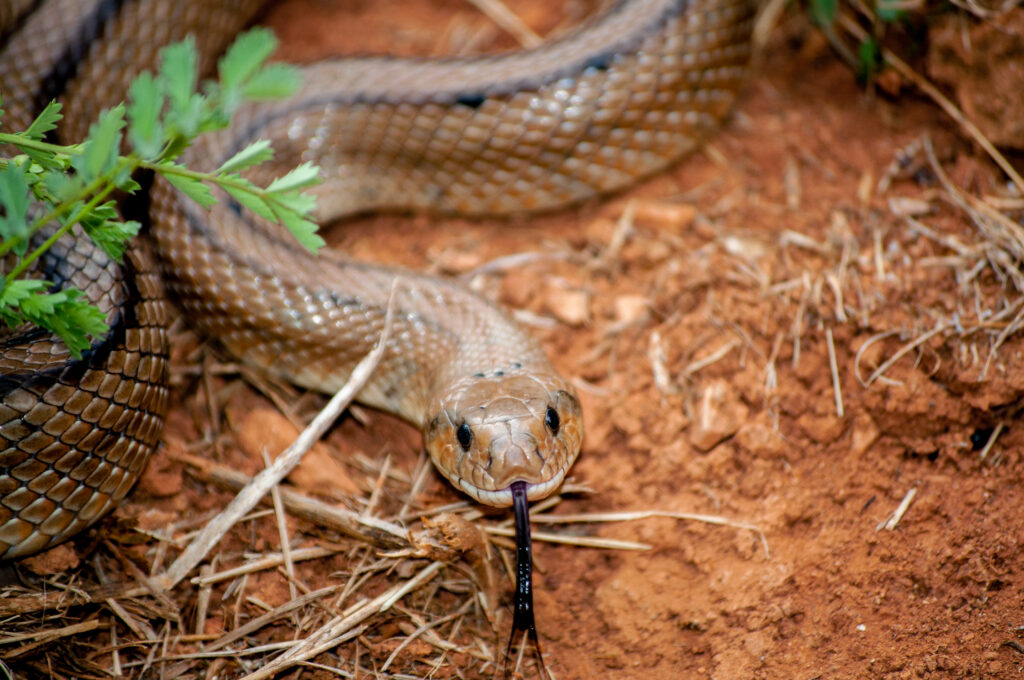
Australia has many venomous snake species, such as the eastern brown snake and the inland taipan. These snakes are usually found in rural areas, grasslands, and forests.
Snake bites are rare and often occur when people attempt to handle or approach them. Wearing protective footwear and staying alert in natural areas can reduce the risk.
Spiders
Spiders are another group often linked to danger. Species such as the Sydney funnel-web spider and redback spider are venomous, but serious cases are uncommon.
Most spider bites occur in homes, garages, or gardens. Simple precautions like shaking out shoes and wearing gloves while gardening can help prevent bites.
Marine Animals
Australia’s coastal waters are home to several potentially dangerous creatures, including box jellyfish, blue-ringed octopuses, and sharks.
Box jellyfish stings can be serious, particularly in northern waters. Beaches in high-risk areas often provide warning signs and protective nets.
Shark encounters are extremely rare, and most beaches are monitored for safety.
Crocodiles
Saltwater crocodiles are found in northern Australia, particularly in rivers and coastal regions. These animals are powerful predators, and caution is essential in areas where they are present.
Warning signs are clearly displayed in crocodile habitats, and following local advice is crucial.
Myths About Australia’s Dangerous Wildlife
One of the biggest misconceptions is that Australia is filled with life-threatening animals at every corner. In reality, most dangerous species are found in specific regions and are rarely encountered in urban areas.
Another myth is that all wildlife is aggressive. In fact, most animals are defensive rather than aggressive and will only react if provoked.
The idea that tourists are at constant risk is also exaggerated. Millions of visitors travel to Australia each year without experiencing any wildlife-related incidents.
Safety Tips for Wildlife Encounters
Practicing basic safety measures can greatly reduce the risk of negative encounters with wildlife.
- Stay on marked paths when exploring natural areas
- Avoid touching or handling animals
- Wear appropriate clothing and footwear
- Follow local warnings and signage
- Be cautious in water, especially in unfamiliar locations
For marine safety, swimming between flags at patrolled beaches is strongly recommended.
Role of Awareness and Education
Australia places a strong emphasis on public awareness and education when it comes to wildlife safety. Information is widely available through parks, tourism centers, and local authorities.
Schools and community programs also educate people about how to interact safely with wildlife. This approach has been effective in reducing incidents and promoting coexistence between humans and animals.
Why Dangerous Animals Are Important to the Ecosystem
While some animals may pose risks, they play an essential role in maintaining ecological balance. Predators help control populations of other species, ensuring healthy ecosystems.
For example, snakes help control rodent populations, while marine predators maintain balance in ocean ecosystems.
Protecting these species is important, even if they are considered dangerous.
Tourism and Wildlife Safety
Australia wildlife safety is a key part of the tourism industry. Tour operators and guides are trained to ensure safe and responsible experiences for visitors.
Eco-tourism practices focus on minimizing environmental impact while providing educational and enjoyable experiences.
Visitors are encouraged to respect wildlife and follow guidelines to ensure both personal safety and environmental protection.
Conclusion
Australia’s reputation for dangerous animals is often exaggerated. While the country is home to some venomous and potentially harmful species, the actual risk to humans is low when proper precautions are taken.
By understanding the facts, dispelling myths, and following basic safety tips, residents and visitors can safely explore Australia’s unique wildlife.
Rather than fearing these animals, it is important to respect their role in the ecosystem and appreciate the diversity they bring to the natural environment.