
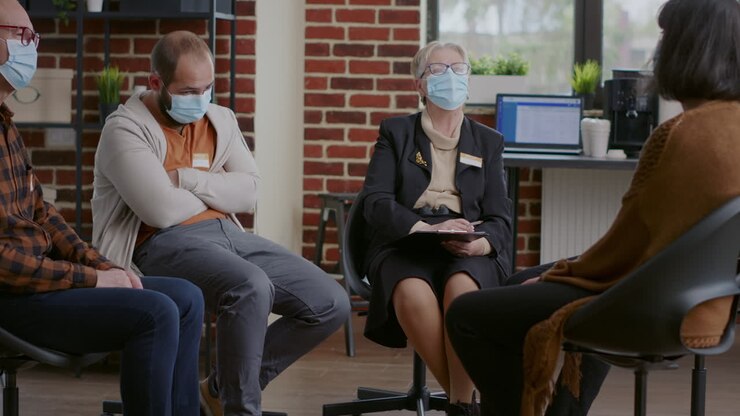
Mental health is one of the most pressing public health challenges in Australia. With approximately one in five Australians experiencing a mental health condition in any given year, and nearly half of the population expected to face a mental health disorder at some point in their lifetime, the demand for accessible, affordable, and high-quality mental health services has never been greater. This article examines what services are available, the challenges facing the system, and how government and community organisations are responding.
The Scale of Mental Health in Australia
According to the Australian Institute of Health and Welfare (AIHW), anxiety disorders, depressive disorders, and substance use disorders are among the most common mental health conditions in Australia. The economic cost of mental ill-health is estimated at over AUD $70 billion annually, including lost productivity, healthcare costs, and welfare expenditure. Beyond statistics, the human cost — in relationships, careers, and quality of life — is immeasurable.
Medicare-Funded Mental Health Support
The cornerstone of accessible mental health care in Australia is the Medicare Benefits Schedule (MBS). Under the Better Access initiative, Australians with a diagnosed mental health condition can access up to 20 subsidised individual sessions with a registered psychologist, clinical social worker, or occupational therapist per calendar year, following a referral from a General Practitioner (GP) through a Mental Health Treatment Plan.
The GP plays a central gatekeeping role in the mental health system. A visit to a bulk-billing GP costs nothing for Medicare card holders, making this the primary entry point for most Australians seeking mental health support. However, the out-of-pocket costs for sessions with psychologists remain a barrier for many, as bulk-billing rates among psychologists are relatively low outside community mental health settings.
Key Government-Funded Services and Organisations
- Beyond Blue: Provides information, support and referrals for anxiety, depression, and suicide prevention. Operates a 24/7 helpline and online chat services.
- Headspace: Australia’s National Youth Mental Health Foundation, offering services for 12–25-year-olds across 150+ centres nationwide.
- Lifeline: A 24-hour telephone crisis support service staffed by trained volunteers.
- SANE Australia: Focused on complex mental health issues and supporting people living with severe mental illness.
- Black Dog Institute: Combines clinical care with research and community programs focused on depression and bipolar disorder.
Telehealth: Expanding Access to Remote Australians
One of the most significant improvements in mental health service delivery in recent years has been the permanent inclusion of telehealth consultations under Medicare. Introduced during the COVID-19 pandemic and made permanent thereafter, telehealth allows Australians in rural and remote areas to access psychologists and psychiatrists via video or phone without travelling hundreds of kilometres to the nearest clinic. This has been transformative for mental health equity in regional Australia, where services were historically severely limited.
Key Challenges Facing the System
Despite genuine progress, Australia’s mental health system faces significant structural challenges. The most acute is workforce shortage. There are not enough psychologists, psychiatrists, and mental health nurses to meet demand, particularly in regional and remote communities. Average wait times to see a psychologist can exceed six to eight weeks in metropolitan areas and are considerably longer in rural settings.
The interface between mental health and the broader healthcare, housing, and justice systems is poorly coordinated. People with severe mental illness often cycle through emergency departments, crisis services, and temporary accommodation without receiving sustained, integrated care. Stigma — while reducing — continues to prevent many Australians, particularly men and people from culturally and linguistically diverse backgrounds, from seeking help promptly.
The National Mental Health and Suicide Prevention Plan
In 2021, the Australian Government released a landmark AUD $2.3 billion investment in mental health and suicide prevention, responding to the findings of the Productivity Commission’s report into mental health. This plan funds the establishment of a network of Head to Health adult mental health centres, enhanced digital mental health services, stepped care models that match support intensity to need, and dedicated funding for Aboriginal and Torres Strait Islander mental health programs.
What to Do if You Need Help
If you or someone you know is experiencing mental health difficulties, the first recommended step is to speak with a GP and request a Mental Health Treatment Plan. This provides access to subsidised psychology sessions under Medicare. In a crisis, Lifeline (13 11 14) and Beyond Blue (1300 22 4636) are available 24 hours a day, seven days a week.
For young people, Headspace centres offer walk-in and online support, while Kids Helpline provides free counselling for Australians aged 5–25. The message from mental health advocates is consistent and clear: reaching out is not a sign of weakness. The services exist to help, and Australia’s growing investment in this area reflects a national commitment to treating mental health with the same seriousness as physical health.