
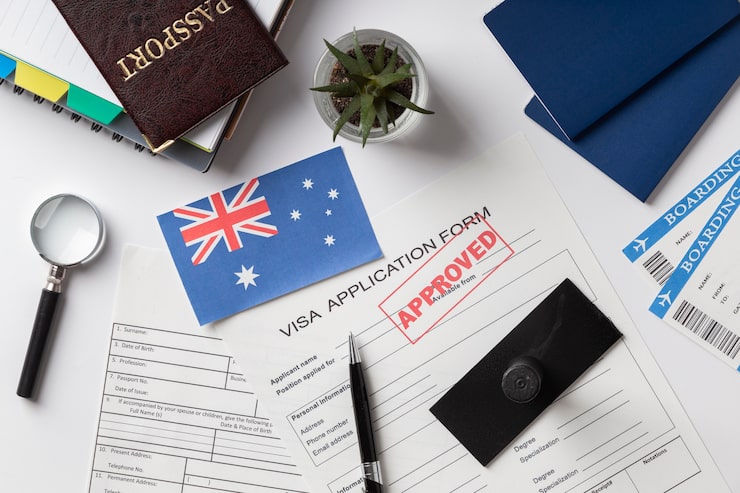
Australia has long been recognized as one of the world’s most attractive destinations for migrants, students, and skilled professionals. Its strong economy, high quality of life, and multicultural environment continue to draw people from across the globe. At the center of this appeal lies a carefully structured immigration policy designed to balance economic growth with social stability.
In 2026, Australia’s immigration system continues to evolve in response to global trends, labor market needs, and domestic challenges. Understanding these changes is essential for migrants, employers, and policymakers alike.
Overview of Australia’s Immigration System
Australia operates a highly regulated and selective immigration system aimed at attracting individuals who can contribute to national development. The system is broadly divided into several visa categories:
- Skilled Migration Visas – For professionals with in-demand skills
- Family Visas – For reuniting families
- Student Visas – For international education
- Humanitarian Visas – For refugees and asylum seekers
A major component of the system is the points-based immigration model, which assesses applicants based on age, qualifications, work experience, and English proficiency. This ensures that migrants align with Australia’s workforce needs.
Key Trends in Australia’s Immigration Policy
1. Continued Focus on Skilled Migration
One of the most significant trends in 2026 is the continued emphasis on skilled migration. Australia is facing labor shortages in several critical sectors, including:
- Healthcare and nursing
- Information technology
- Engineering and construction
- Education and skilled trades
To address these gaps, the government has increased skilled visa quotas and streamlined application processes. This approach not only supports economic growth but also enhances productivity across industries.
2. Expansion of Regional Migration Programs
Major cities like Sydney, Melbourne, and Brisbane are experiencing population pressure, leading to increased housing demand and infrastructure strain. To counter this, the government is actively promoting regional migration.
Key incentives include:
- Additional visa points for regional applicants
- Faster processing times
- Access to permanent residency pathways
Regional migration helps distribute population growth more evenly while boosting local economies and communities.
3. Growth in International Student Migration
Australia remains a leading destination for international students, and this trend continues to grow in 2026. The education sector plays a crucial role in the country’s economy.
Recent developments include:
- Extended post-study work rights
- Easier transitions from student visas to skilled migration
- Increased enrolments in universities and vocational institutions
This creates a strong pipeline of skilled workers already familiar with Australian society and work culture.
4. Digital Transformation and Faster Processing
The Australian immigration system is undergoing rapid digital transformation. The shift toward online platforms has improved efficiency and transparency.
Key improvements:
- Fully online visa application systems
- Automated processing for certain visa categories
- Real-time application tracking
These advancements reduce processing times and enhance the overall applicant experience.
Major Challenges Facing Immigration Policy
1. Housing Affordability and Infrastructure Pressure
One of the biggest challenges associated with immigration is its impact on housing and infrastructure. Increased population growth has led to:
- Rising property prices
- Limited rental availability
- Pressure on transport systems
- Increased demand for healthcare and education
Managing these issues requires coordinated planning between federal and state governments.
2. Balancing Skilled and Family Migration
While skilled migration supports economic growth, family reunification plays a vital role in social stability. Striking the right balance between these two priorities is a constant challenge.
Too much focus on skilled migration may:
- Limit family reunification opportunities
- Affect migrant well-being
On the other hand, increasing family migration may:
- Reduce workforce participation rates
- Place additional strain on public services
3. Policy Changes and Uncertainty
Australia’s immigration policies are frequently updated to reflect changing economic conditions and political priorities. While this flexibility is beneficial, it can also create uncertainty.
Common issues include:
- Changing visa eligibility requirements
- Delays due to policy adjustments
- Difficulty in long-term planning for migrants and employers
Clear communication and stability are essential to maintain confidence in the system.
4. Border Security and Humanitarian Obligations
Australia continues to face challenges in balancing border security with its humanitarian responsibilities.
Key concerns include:
- Preventing unauthorized arrivals
- Managing asylum seeker applications
- Maintaining international obligations toward refugees
These issues often generate political debate and require careful policy decisions.
Future Outlook for Immigration in Australia
Looking ahead, Australia’s immigration policy is expected to remain highly strategic and adaptive. Key future directions may include:
- Greater focus on high-skilled migration
- Continued support for regional development
- Enhanced use of technology in visa processing
- Stronger alignment between immigration and housing policies
The government will aim to maintain economic growth while ensuring that infrastructure and public services can support population increases.
Conclusion
Australia’s approach to immigration policy in 2026 reflects a careful balance between opportunity and challenge. While the system continues to attract skilled professionals and students from around the world, it must also address issues such as housing pressure, policy uncertainty, and infrastructure demands.
For migrants and businesses, understanding these trends is essential for making informed decisions. As the global landscape evolves, Australia’s immigration system will continue to adapt, shaping the nation’s future in the years to come.