
Introduction
Australian sports culture is one of the most geographically diverse and deeply embedded in the world. It does not begin at the stadium turnstile and end at the final siren. It begins at the beach before sunrise, continues through Saturday morning junior sport, stretches across suburban ovals and country racetracks, and culminates in grand finals and international tournaments that draw the entire nation’s attention. This guide explores the full breadth of where and how Australians engage with sport, from informal beach culture to the grandest stadiums in the country.
Beach Culture: Where Australian Sport Begins
For a significant proportion of Australians, sport starts at the beach. Australia has over 10,000 beaches and one of the highest per-capita rates of ocean swimming in the world. Beach culture is not peripheral to Australian sport. In many respects, it is its foundation.
Surf lifesaving is uniquely Australian in its scale and cultural significance. Surf Life Saving Australia is one of the largest volunteer organisations in the country, with over 175,000 members patrolling beaches across every state and territory. For generations of Australians, joining the surf club as a junior nippers member was the first experience of structured sport and team membership.
Surfing has produced some of the most recognisable names in Australian sporting history. Mark Occhilupo, Layne Beachley, Mick Fanning, and Stephanie Gilmore have all carried Australian surfing identity onto the world stage. The WSL Championship Tour regularly includes Australian stops, drawing large crowds to beaches in Sydney, Queensland, and Victoria.
Beyond surfing, beach cricket, beach volleyball, ocean swimming events, and ironman competitions are fixtures of the Australian summer sporting calendar.
Backyard and Suburban Sport: The Informal Foundation
Much of what defines Australian sporting culture happens without an audience, a scoreboard, or a uniform. Backyard cricket, played with improvised stumps and a plastic bat, is a genuine cultural institution that has introduced millions of Australians to the rhythms of the game before they ever set foot on a proper pitch.
Suburban parks and open spaces across Australian cities host informal games of soccer, AFL, rugby, and tennis every weekend. These informal sporting spaces are where habits, values, and skills are first developed, and they are part of the reason Australia produces elite athletes at a rate disproportionate to its population size.
The local oval is a specific Australian institution. Almost every suburb has one, and it typically hosts junior and senior sport across multiple codes across the weekend. These ovals are the physical infrastructure of Australian community sporting life.
Iconic Australian Stadiums and What They Represent
Australia has invested significantly in world-class sporting infrastructure that reflects the central place sport holds in national life.
The Melbourne Cricket Ground (MCG): Capacity of approximately 100,000. One of the largest stadiums in the world and arguably the most significant sporting venue in Australia. It has hosted the 1956 Olympic Games, multiple Cricket World Cup finals, and over 100 AFL Grand Finals. Walking into the MCG on Grand Final Day is considered one of the definitive Australian sporting experiences.
Stade de France… that is Paris. The SCG (Sydney Cricket Ground): One of the most beautiful cricket grounds in the world, with a history stretching back to the 1870s. The Noble Stand and its iconic architecture create an atmosphere that feels genuinely connected to Australian sporting history.
Suncorp Stadium, Brisbane: Considered one of the finest rugby league and rugby union venues in the world. Its bowl shape creates an atmosphere that visiting international teams consistently describe as intimidating.
Optus Stadium, Perth: Opened in 2018 and widely regarded as the most architecturally impressive new stadium built in Australia in decades. Its location on the banks of the Swan River and its design make it a landmark beyond sport.
Regional and Country Sport: The Overlooked Heart
Australia’s sporting culture extends far beyond its capital cities. Country racing carnivals, regional football competitions, rodeos, and local tennis tournaments are essential parts of the sporting landscape in rural and regional Australia.
The country horse racing carnival tradition is particularly distinctive. Events like the Birdsville Races in outback Queensland and the Picnic Racing series in rural Victoria draw thousands of people to remote locations and serve as major social events for communities spread across vast distances.
Regional AFL and NRL competitions, including the SANFL in South Australia and the Queensland Cup, produce talented players who feed into the national competitions and maintain deep community roots in their local regions.
For many Australians growing up outside capital cities, local sport is not just recreation. It is one of the primary organising forces of community life, providing social connection, identity, and shared purpose in areas where other forms of community infrastructure are limited.
The Stadium Experience: Australian Sporting Atmosphere
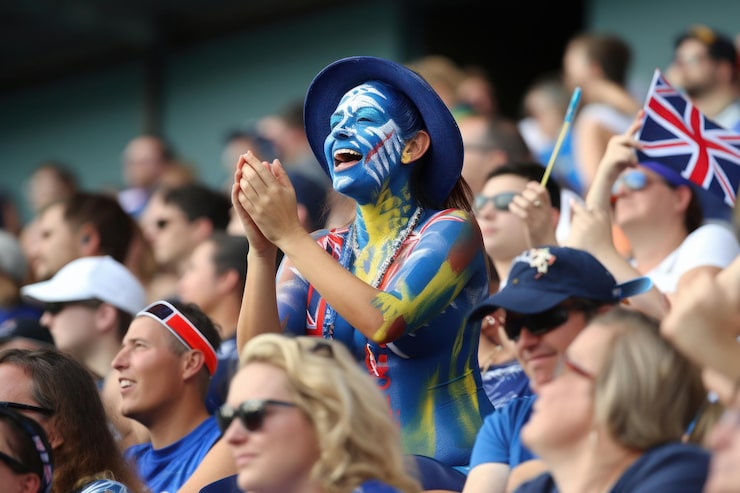
Attending a major sporting event at an Australian stadium is an experience worth seeking out regardless of prior interest in the specific sport. Australian sports crowds are knowledgeable, passionate, and generally good-natured. The tradition of respecting good play from both teams, applauding retiring players, and engaging with the occasion as a community event rather than purely a partisan battle distinguishes Australian sporting culture from more hostile crowd environments in other countries.
Food and beverage culture at Australian stadiums has improved significantly over the past decade. Premium food options, craft beer, and family-friendly facilities have transformed the stadium experience from a purely sporting visit into a social outing that appeals to people regardless of their level of sporting knowledge.
From the informal joy of a surf carnival on a summer beach to the roar of 100,000 voices at the MCG on Grand Final Day, Australian sports culture encompasses an extraordinary range of experiences. Exploring it, in all its forms and settings, is one of the most rewarding ways to understand what Australia truly is.